The Story of Masashi Kishimoto and the Creation of Naruto
Share
971 mots | Temps de lecture : 4 minute(s)
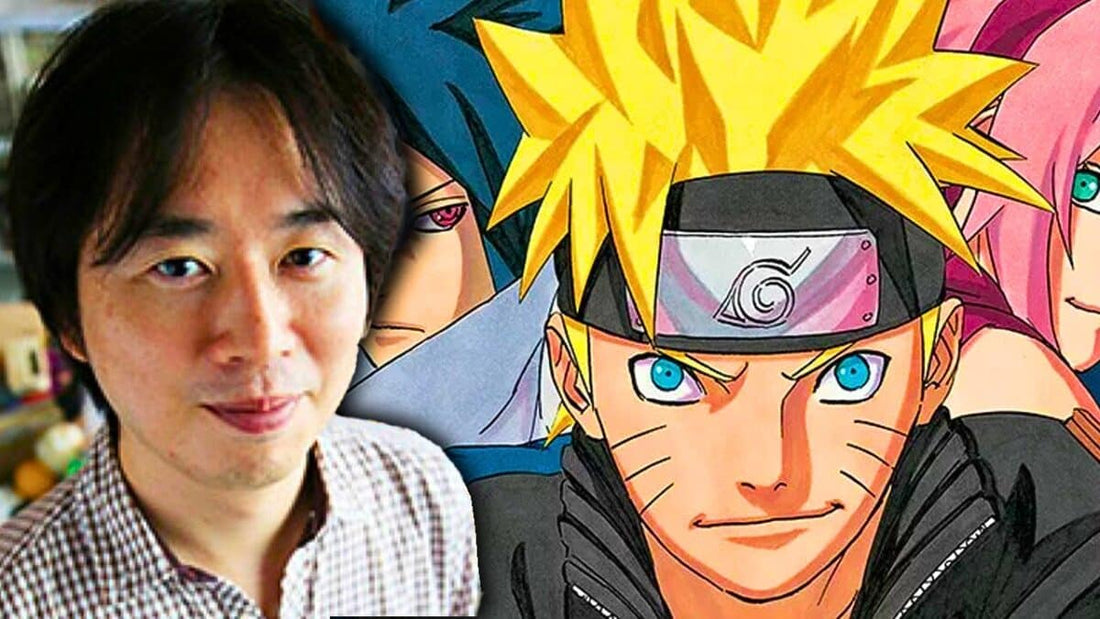
Masashi Kishimoto is a Japanese manga artist whose most famous work is undoubtedly the Naruto series. This manga , which has become a global phenomenon , has reached millions of fans around the world and has had a significant influence on popular culture . But how did it all begin? Here's a look at Kishimoto 's story and the creation of Naruto .
Masashi Kishimoto's debut
Masashi Kishimoto was born on November 8, 1974, in Okayama Prefecture, Japan . From a young age, he developed a passion for drawing and manga . Inspired by the works of Akira Toriyama , the creator of Dragon Ball , and films like Akira and Nausicaä of the Valley of the Wind , Kishimoto began learning to draw manga .
During his school years, Kishimoto constantly practiced drawing and developing his style . He entered several beginner manga competitions , but without much success at first. In fact, Kishimoto even admitted that he almost gave up after several failures. However, his hard work eventually paid off.
The Birth of Naruto
The first prototype of Naruto was born in 1997 , when he published a one-shot titled Naruto in the magazine Akamaru Jump . This first draft already contained elements of the Naruto we know today, but the story and characters would evolve considerably before becoming the successful manga we know.
In 1999 , Naruto began its serialization in the popular magazine Weekly Shōnen Jump . The series quickly captured the attention of readers with its unique blend of action , adventure , emotion , and universal themes such as the search for identity , loneliness , and friendship . It was an instant success.
Naruto's worldwide success
What really made Naruto a success was its rich and complex universe , filled with endearing characters and a captivating story . Readers quickly identified with the main character , Naruto Uzumaki , a young ninja rejected by his village because of the nine-tailed fox demon sealed inside him.
Naruto , despite the hardships, pursues his dream of becoming Hokage , the leader of his village, to prove his worth. This initiatory journey , marked by epic battles and moving moments, has won the hearts of fans around the world. The series has 72 volumes and more than 700 chapters , not counting the two successful anime series, Naruto and Naruto Shippuden .
Highlights
Naruto fans particularly remember heartbreaking moments, such as Jiraiya's tragic death , Naruto's fight with Pain , and Naruto's final confrontation with Sasuke . These scenes had a profound emotional impact on audiences and helped solidify the series' legendary status in manga and anime culture.
Kishimoto's influences and inspirations
Masashi Kishimoto 's work on Naruto was influenced by several elements of Japanese and international culture . Ninjas , of course, are a key component of the story, but Kishimoto also drew on Japanese mythology and other renowned manga . For example, he cited Akira Toriyama 's Dragon Ball as a major influence.
Naruto 's characters are also heavily inspired by traditional Japanese values , including a sense of duty , friendship , and honor . Additionally, Kishimoto incorporated elements of his own life and personal experiences into the story, giving the manga an authenticity and depth that readers appreciated.
The End of Naruto and Kishimoto's Legacy
After fifteen years of publication , the Naruto manga ended in 2014. The final arc, featuring the war against Kaguya Ōtsutsuki and the final confrontation between Naruto and Sasuke Uchiha , was a climax in the story. The manga ended with Naruto fulfilling his dream of becoming Hokage and starting his own family.
However, Naruto 's story didn't end there. Boruto: Naruto Next Generations , a sequel centered on Naruto's son , was released shortly after Naruto ended. While Kishimoto isn't directly leading the project, he remains its creator and oversees the series' direction.
Naruto's influence on popular culture
Since its creation, Naruto has had a huge impact on popular culture , both in Japan and around the world. The manga has inspired many young people to pursue their dreams and never give up, no matter how many challenges they face. Naruto has become a symbol of perseverance and determination .
Additionally, Naruto played a key role in popularizing manga and anime outside of Japan, particularly in North America and Europe . Today, the series' characters and symbols , such as the ninja headband and the Rasengan , are instantly recognizable to fans worldwide.
Conclusion
The story of Masashi Kishimoto and the creation of Naruto is a testament to the passion , perseverance , and imagination of one man who captivated the world with his story. Naruto remains one of the most influential manga of all time, and its legacy will continue to inspire new generations of readers and creators .